
Beautiful and Strange Old Cars
-
DAF 600
Also called the Dutch Volkswagen
The DAF 600 is a small family car that was DAF's first production passenger car: it was first presented at the Amsterdam Motor Show in February 1958 and was in production by 1959, although the firm had published the first details of the car at the end of 1957. It was available until 1963.
The 600 was the first production car after the 1920s Clyno to have a continuously variable transmission (CVT) system - the innovative DAF Variomatic.
There were quite some of them around on the Belgian motorways back in the 60s.


-
Oldsmobile Toronado (first generation)
The Oldsmobile Toronado was a two-door coupe produced by the Oldsmobile division of General Motors from 1966 to 1992.
The name "Toronado" has no meaning, and was originally invented for a 1963 Chevrolet show car. Conceived as Oldsmobile's full-size personal luxury car and competing directly with the Ford Thunderbird, the Toronado is historically significant as the first front-wheel drive automobile produced in the United States since the demise of the Cord in 1937.
Despite an average test-weight approaching 5,000 lb (2,268 kg), published performance test data shows the 1966 Toronado was capable of accelerating from 0–60 mph (0–97 km/h) in 7.5 seconds, and through the standing 1/4 mile (~400 m) in 16.4 seconds at 93 mph (150 km/h).
It was also capable of a maximum speed of 135 mph (217 km/h).
-
Austin-Healey
Not sure if this has already been posted.
-
Phantom Corsair
The Phantom Corsair is a prototype automobile built in 1938. It is a six-passenger 2-door sedan that was designed by Rust Heinz of the H. J. Heinz family and Maurice Schwartz of the Bohman & Schwartz coachbuilding company in Pasadena, California.
Although sometimes dismissed as a failure because it never entered production, the Corsair is regarded as anachronistic due to its futuristic features and styling cues such as faired-in fenders and a low profile.
The Phantom Corsair's steel-and-aluminum body measured just 57 in (140 cm) in height and incorporated fully skirted wheels and completely flush fenders while forgoing running boards.
The car also lacked door handles, as the doors were instead opened electrically using push-buttons located on the exterior and the instrument panel. The instrument panel also featured a compass and altimeter, while a separate console above the windshield indicated when a door was ajar or if the car's lights or radio were turned on.
Rust Heinz planned to put the Phantom Corsair, which cost approximately $24,000 to produce in 1938 (equivalent to about $370,000 in 2010), into limited production at an estimated selling price of $12,500. However, Heinz's death in a car accident in July 1939 ended those plans, leaving the prototype Corsair as the only one ever built.
The Phantom Corsair now resides in the National Automobile Museum (also known as The Harrah Collection) in Reno, Nevada.


-
@Wilfried said:
Phantom CorsairThe Phantom Corsair is a prototype automobile built in 1938. It is a six-passenger 2-door sedan that was designed by Rust Heinz of the H. J. Heinz family and Maurice Schwartz of the Bohman & Schwartz coachbuilding company in Pasadena, California.
Although sometimes dismissed as a failure because it never entered production, the Corsair is regarded as anachronistic due to its futuristic features and styling cues such as faired-in fenders and a low profile.
The Phantom Corsair's steel-and-aluminum body measured just 57 in (140 cm) in height and incorporated fully skirted wheels and completely flush fenders while forgoing running boards.
The car also lacked door handles, as the doors were instead opened electrically using push-buttons located on the exterior and the instrument panel. The instrument panel also featured a compass and altimeter, while a separate console above the windshield indicated when a door was ajar or if the car's lights or radio were turned on.
Rust Heinz planned to put the Phantom Corsair, which cost approximately $24,000 to produce in 1938 (equivalent to about $370,000 in 2010), into limited production at an estimated selling price of $12,500. However, Heinz's death in a car accident in July 1939 ended those plans, leaving the prototype Corsair as the only one ever built.
The Phantom Corsair now resides in the National Automobile Museum (also known as The Harrah Collection) in Reno, Nevada.
Is it just me or would that have made an awesome Batmobile?
-
It surely could have been...
However, Batman’s first ride showed up in Detective Comics #48, February 1941. This “Batmobile” was originally red then blue & a convertible based on the 1936 Cord, but the nose looked more like that of a Lincoln. There were no wings, no bat-faced front grill or logo. In fact, it looked like anyone’s random 2-door coupe. :D

-
Lincoln Futura / Batmobile
The** Lincoln Futura** was a concept car designed by the Lincoln division of Ford Motor Company. It was originally designed by Ford Motor Company lead stylists Bill Schmidt and John Najjar Ferzely and built by Ghia entirely by hand in Turin, Italy, at a cost of $250,000 (2014 equivalent: $2,200,000) and displayed on the auto show circuit in 1955.
In 1966 the car was modified by George Barris into the Batmobile, for the 1966 TV series Batman.

-
-
German, Italian and Japanese Microcars
German, Italian and Japanese economies had to make a giant transition from (more or less) militarism to consumerism just after the WWII. All infrastructure was totally (or almost) destroyed but we all know what eventually happened. Germany, Japan and Italy sell a lot of cars (among other things) to those that won the war and their cars are considered the best there are. But the first two decades (up to the '70 sometimes) they relied a lot on economy microcars, often made under the same names that produced fighters, bombers and armoured vehicles throughout the war.
Trabant P50, 1957–1962

BMW Isetta 250-300 (Originally an Italian ISO design), 1955

BMW 600, 1957-59

Brütsch Mopetta, 1957

Brütsch V2, 1956-1958


Holbein (from BMW) Champion CH-2, 1949

Dornier Delta & Delta II, 1955-1972


Fend Flitzer, 1948-1961

FMR Tg500, 1958-1961

Fuldamobil, 1950-1969

Glass Goggomobil, 1955-1969

Heinkel Kabine, 1956-1958

Maico MC 400, 1955-1956

Messerschmitt KR175, 1953–1955

Messerschmitt KR200 Kabinenroller, 1955 -1964

NSU Prinz, 1957- 1973

Zündapp Janus, 1957- 1958

They didn't abandon the concept up there...
ALL-CARS Charly, 1974-1985

Autobianchi Bianchina, 1957-1970

Casalini Sulky, 1971

Ferves Ranger, 1968-1971

Fiat 500 Topolino, 1936-1948

Fiat 600, 1955-1969
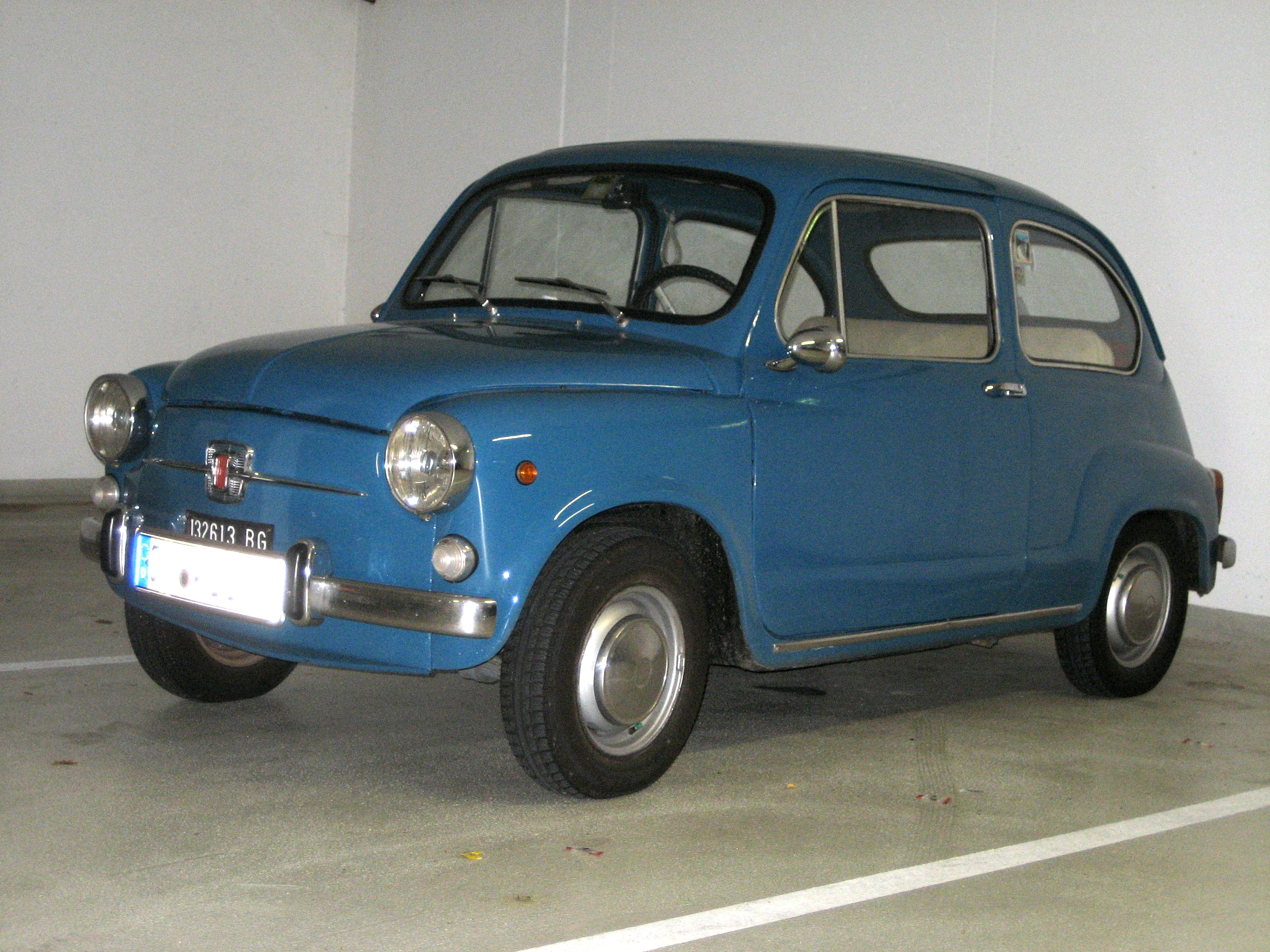
Fiat 600 Multipla, 1956–1965

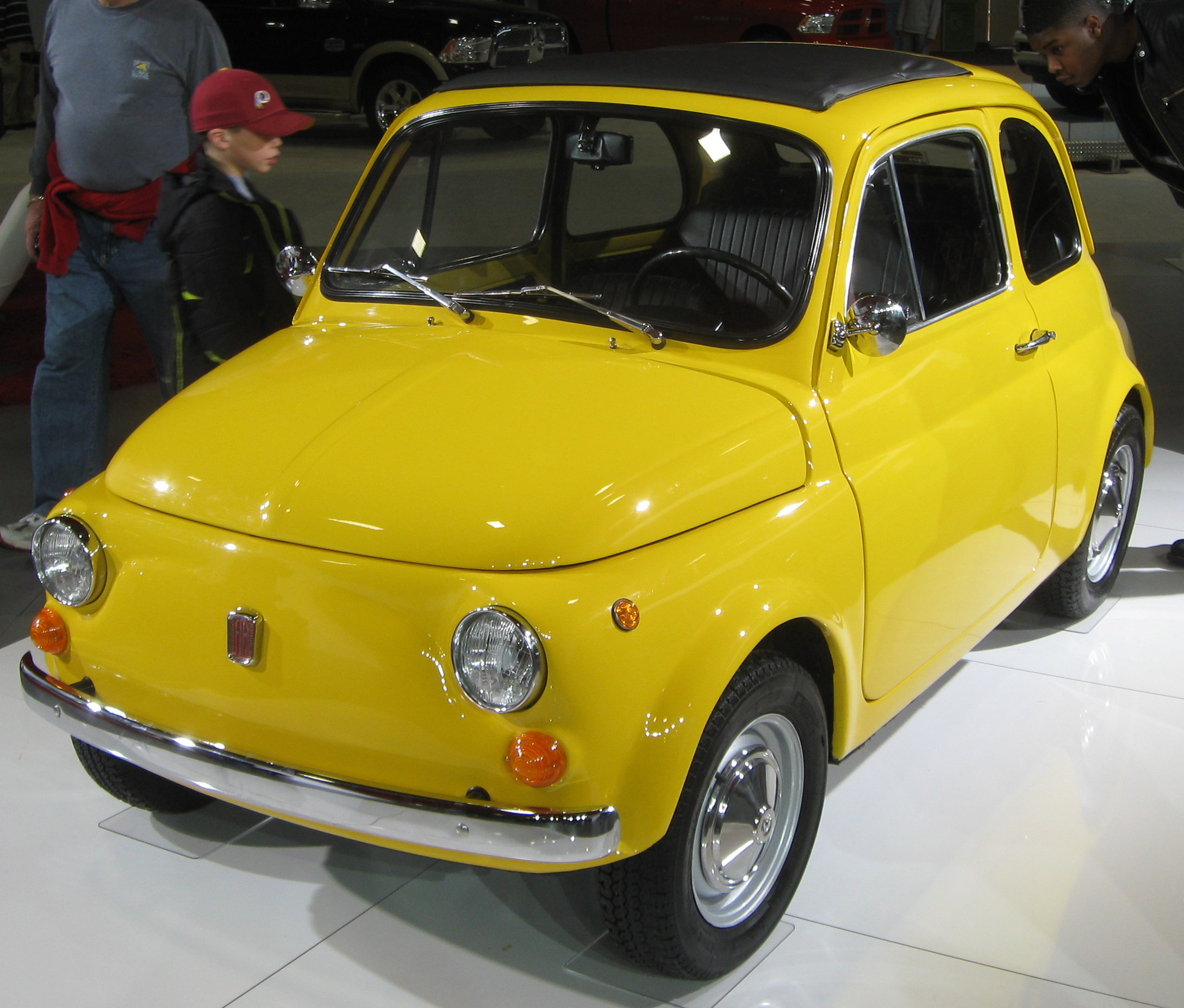
Fiat Nuova 500, 1957 -1975
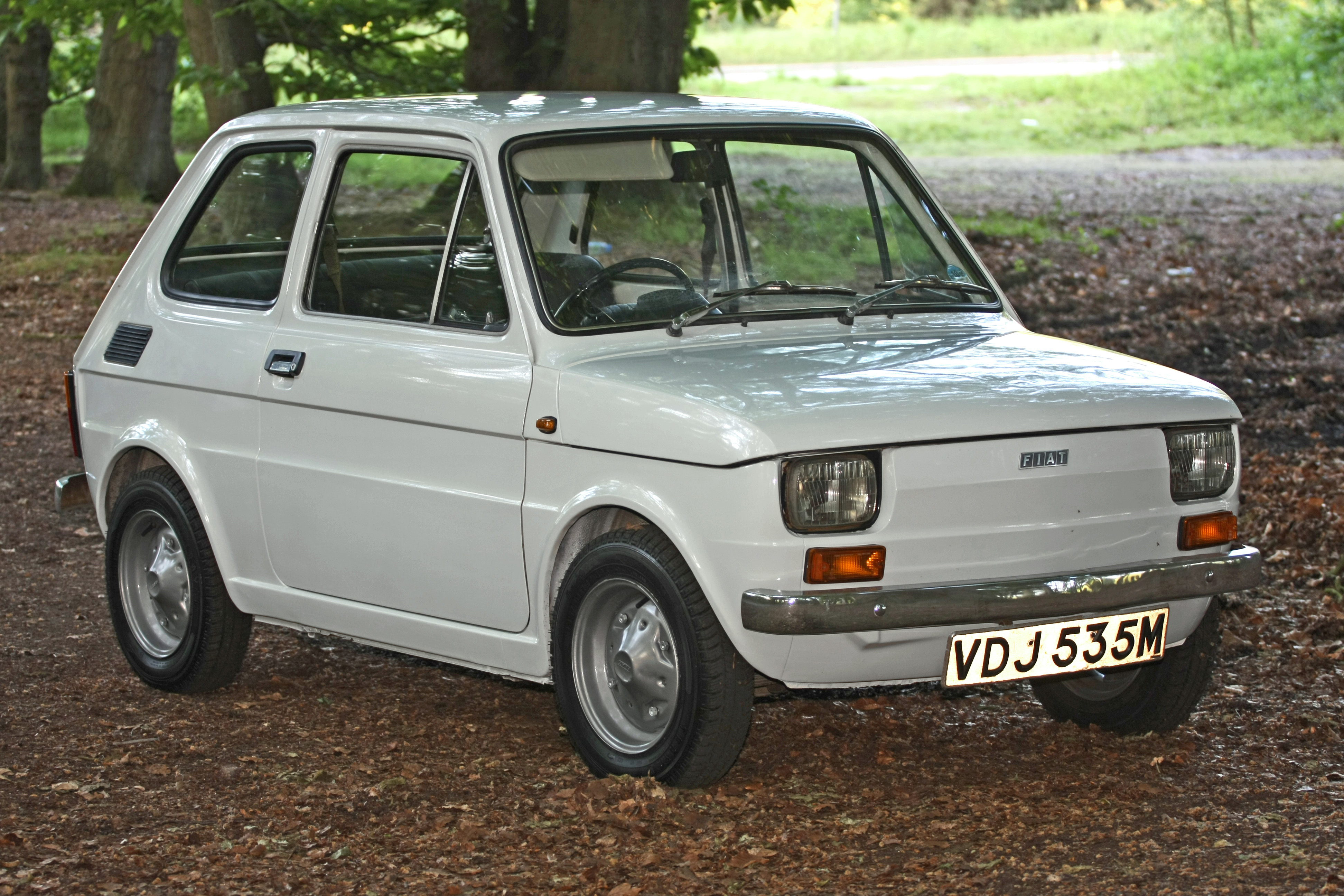
Fiat 126, 1972-1992 (my father had one)
Fiat X1/9, 1972-1982

Zagato Zele, 1974-1976

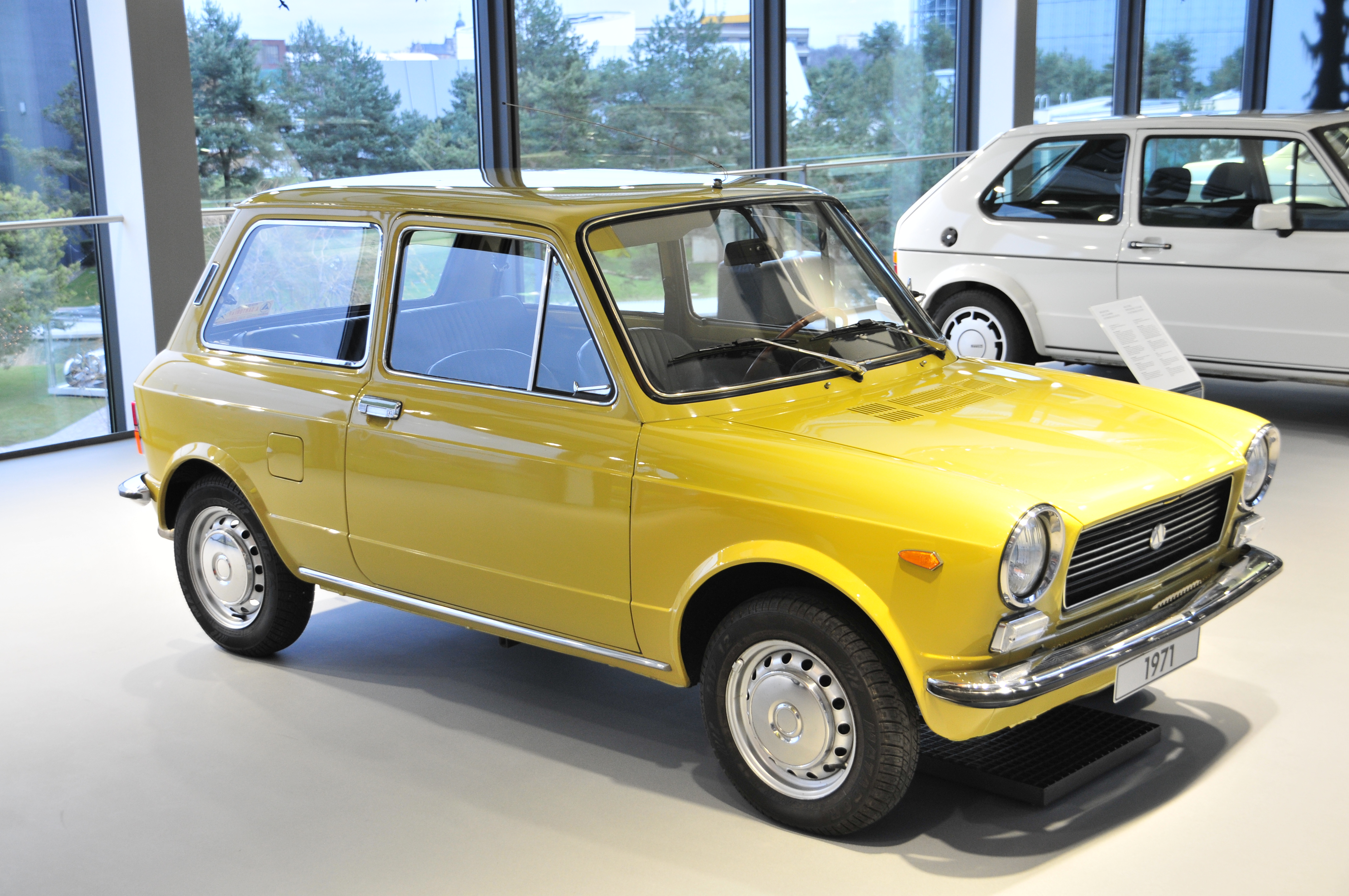
Autobianchi A112, 1969- 1982
They still do it also...


Daihatsu Bee, 1951

Honda S360-600, 1962-1964
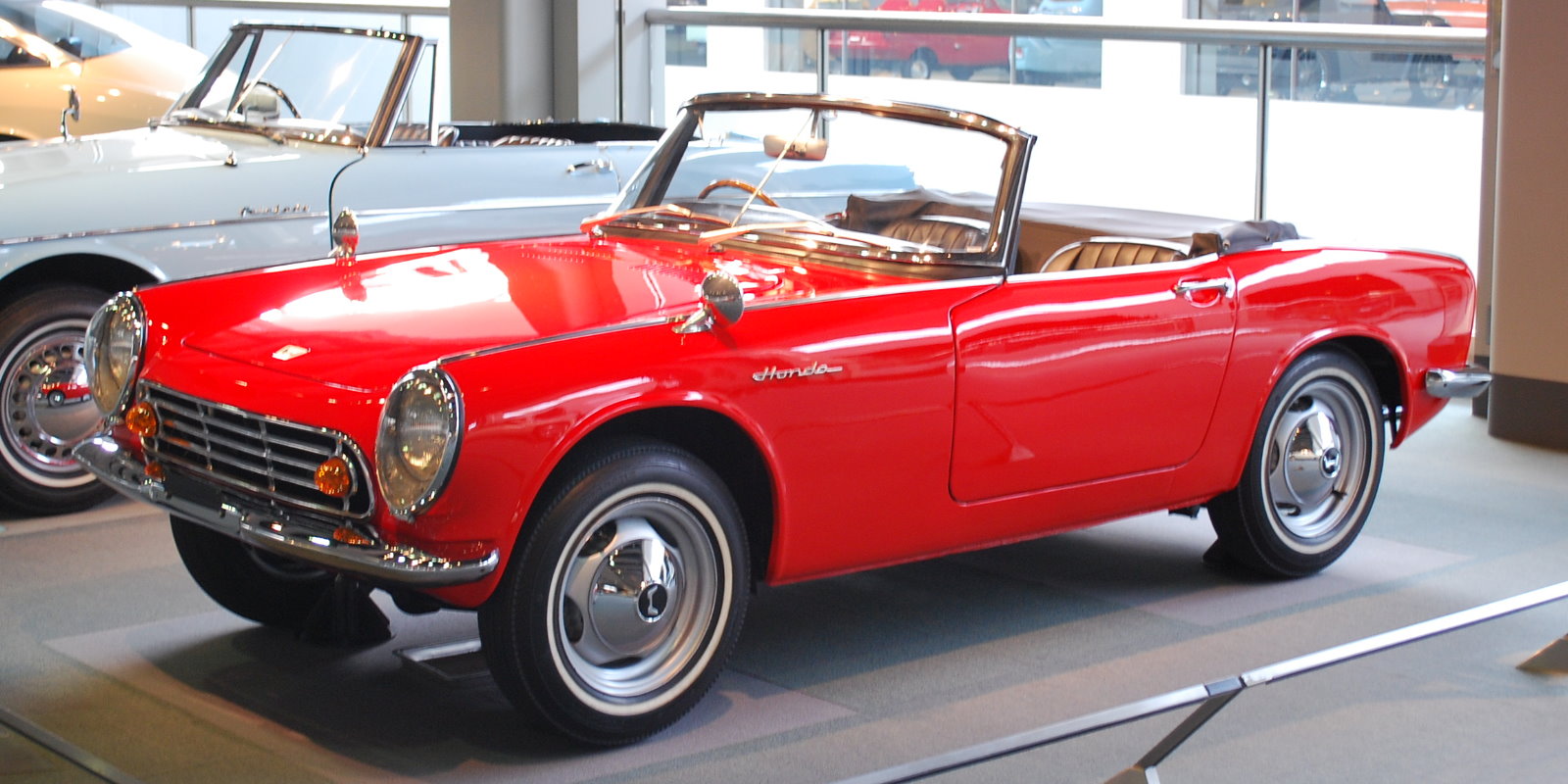
Mazda R360, 1960

Mazda Carol, 1962-1970

Subaru 360, 1958 -1971

Subaru Sambar, 1961–1966

They still do it also...

There's The Bruce Weiner Microcar Museum fro those who like those tiny vehicles.
-
Wow you've been busy with that post :)
Sent from my Nexus 7 using Tapatalk
-
@kkokkolis said:
German, Italian and Japanese MicrocarsGerman, Italian and Japanese economies had to make a giant transition from (more or less) militarism to consumerism just after the WWII. All infrastructure was totally (or almost) destroyed but we all know what eventually happened. Germany, Japan and Italy sell a lot of cars (among other things) to those that won the war and their cars are considered the best there are. But the first two decades (up to the '70 sometimes) they relied a lot on economy microcars, often made under the same names that produced fighters, bombers and armoured vehicles throughout the war.
There's The Bruce Weiner Microcar Museum fro those who like those tiny vehicles.
Love the Daihatsu Bee, who ever thought having a single front-wheel is a good idea ::).
Oh and from the museum web-page:

Any idea what that tiny monster is? -
Never mind, its a BMW Isetta Drag Racer:


-
Volkswagen Karmann Ghia
The Volkswagen Karmann Ghia is a sports car marketed in both 2+2 coupe (1955–1974) and convertible (1957–1974) body styles by Volkswagen. The Karmann Ghia combined the chassis and mechanicals of the Type 1 (Beetle) with styling by Luigi Segre of the Italian carrozzeria Ghia and hand-built bodywork by the German coach-builder Karmann.
The Karmann Ghia was internally designated the Type 14.
It became the car most imported into the U.S.
American industrial designer Walter Dorwin Teague included the Type 14 in his list of the world's most beautifully designed products.

-
My uncle had a Karmann Ghia that he restored, at the time he was working as a parts salesman for Volkswagen (about 15 years ago...) unfortunately I believe they sold it :(





Hello! It looks like you're interested in this conversation, but you don't have an account yet.
Getting fed up of having to scroll through the same posts each visit? When you register for an account, you'll always come back to exactly where you were before, and choose to be notified of new replies (either via email, or push notification). You'll also be able to save bookmarks and upvote posts to show your appreciation to other community members.
With your input, this post could be even better 💗
Register Login


