
Beautiful and Strange Old Cars
-
It surely could have been...
However, Batman’s first ride showed up in Detective Comics #48, February 1941. This “Batmobile” was originally red then blue & a convertible based on the 1936 Cord, but the nose looked more like that of a Lincoln. There were no wings, no bat-faced front grill or logo. In fact, it looked like anyone’s random 2-door coupe. :D

-
Lincoln Futura / Batmobile
The** Lincoln Futura** was a concept car designed by the Lincoln division of Ford Motor Company. It was originally designed by Ford Motor Company lead stylists Bill Schmidt and John Najjar Ferzely and built by Ghia entirely by hand in Turin, Italy, at a cost of $250,000 (2014 equivalent: $2,200,000) and displayed on the auto show circuit in 1955.
In 1966 the car was modified by George Barris into the Batmobile, for the 1966 TV series Batman.

-
-
German, Italian and Japanese Microcars
German, Italian and Japanese economies had to make a giant transition from (more or less) militarism to consumerism just after the WWII. All infrastructure was totally (or almost) destroyed but we all know what eventually happened. Germany, Japan and Italy sell a lot of cars (among other things) to those that won the war and their cars are considered the best there are. But the first two decades (up to the '70 sometimes) they relied a lot on economy microcars, often made under the same names that produced fighters, bombers and armoured vehicles throughout the war.
Trabant P50, 1957–1962

BMW Isetta 250-300 (Originally an Italian ISO design), 1955

BMW 600, 1957-59

Brütsch Mopetta, 1957

Brütsch V2, 1956-1958


Holbein (from BMW) Champion CH-2, 1949

Dornier Delta & Delta II, 1955-1972


Fend Flitzer, 1948-1961

FMR Tg500, 1958-1961

Fuldamobil, 1950-1969

Glass Goggomobil, 1955-1969

Heinkel Kabine, 1956-1958

Maico MC 400, 1955-1956

Messerschmitt KR175, 1953–1955

Messerschmitt KR200 Kabinenroller, 1955 -1964

NSU Prinz, 1957- 1973

Zündapp Janus, 1957- 1958

They didn't abandon the concept up there...
ALL-CARS Charly, 1974-1985

Autobianchi Bianchina, 1957-1970

Casalini Sulky, 1971

Ferves Ranger, 1968-1971

Fiat 500 Topolino, 1936-1948

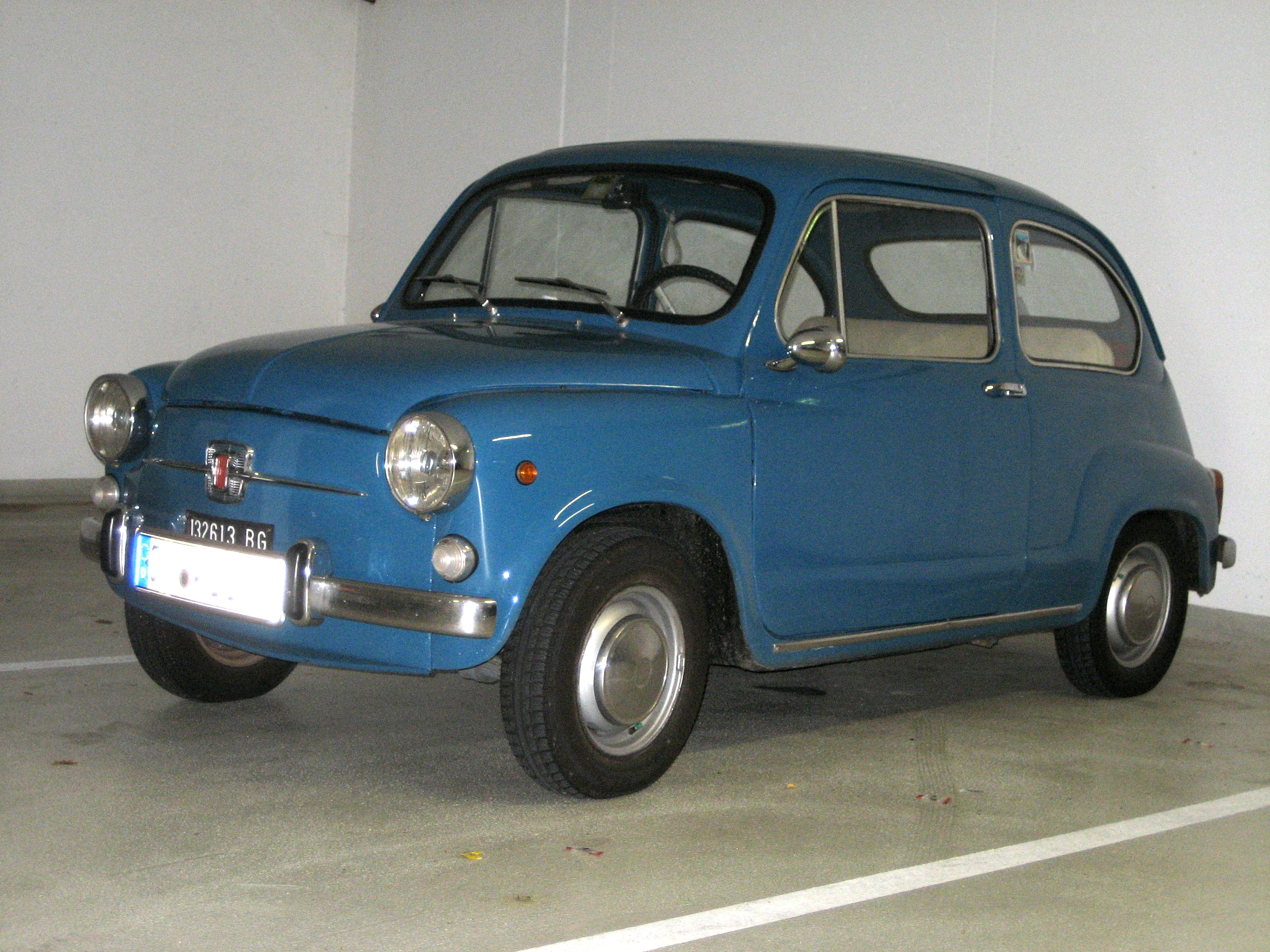
Fiat 600, 1955-1969
Fiat 600 Multipla, 1956–1965

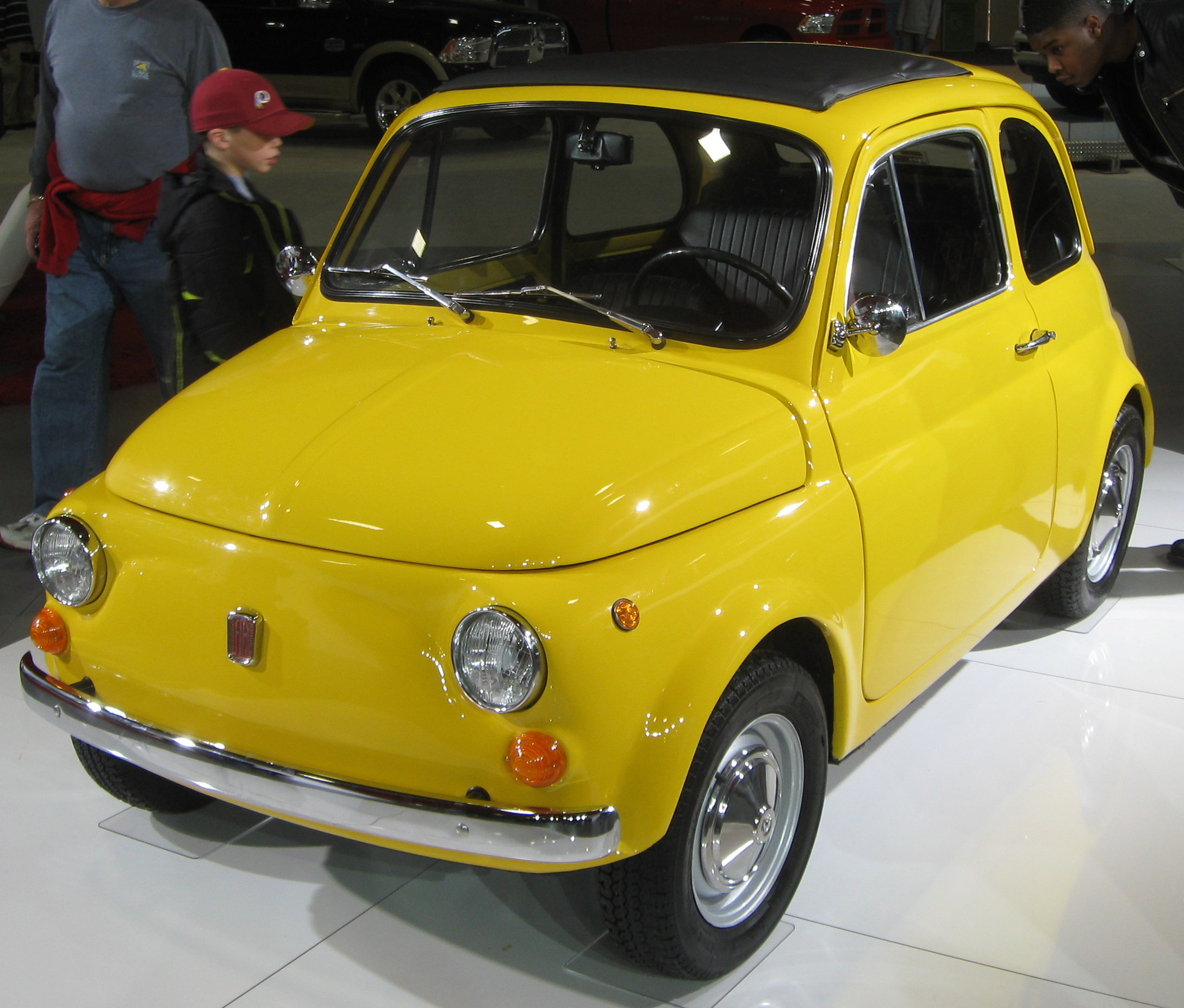
Fiat Nuova 500, 1957 -1975
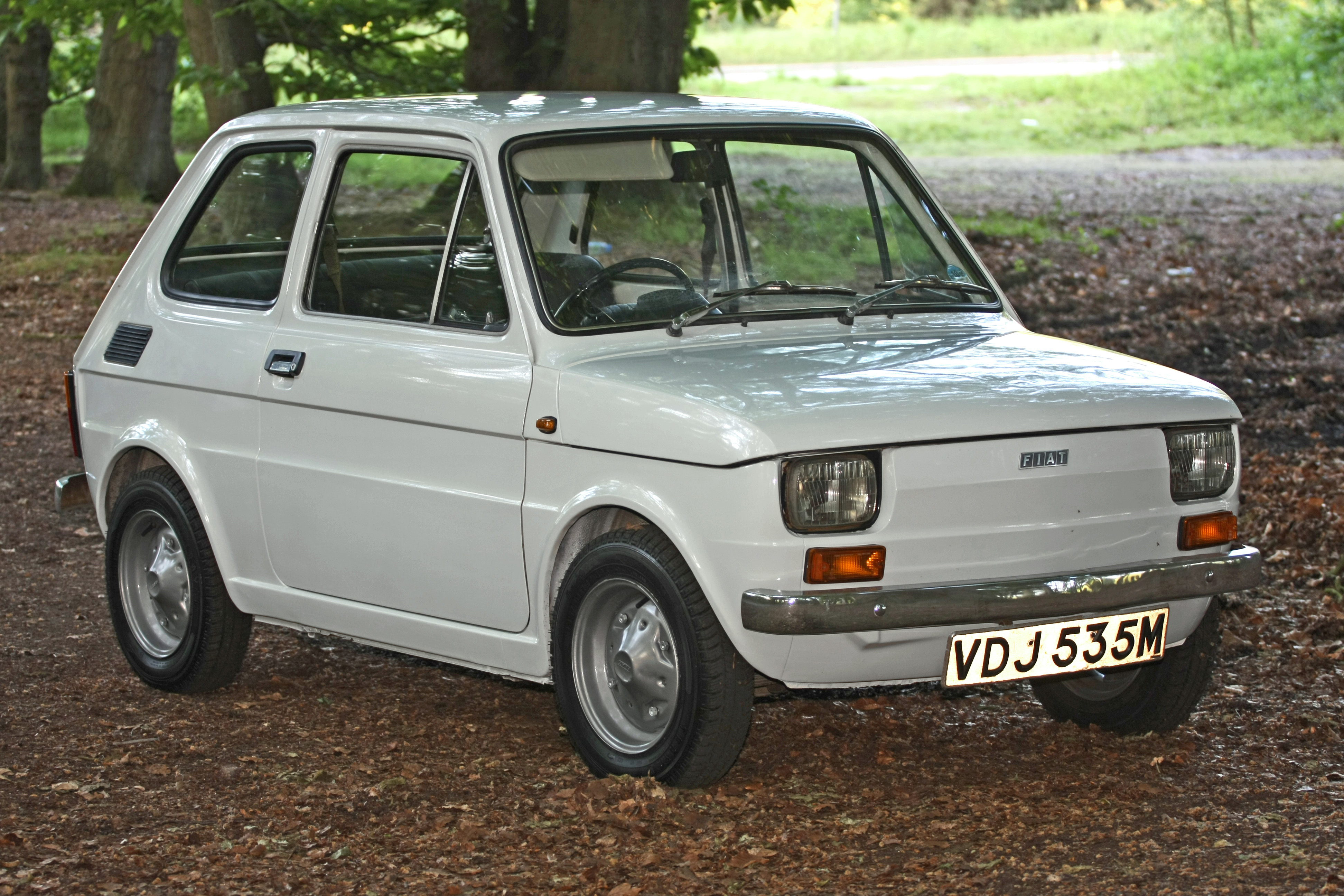
Fiat 126, 1972-1992 (my father had one)
Fiat X1/9, 1972-1982

Zagato Zele, 1974-1976

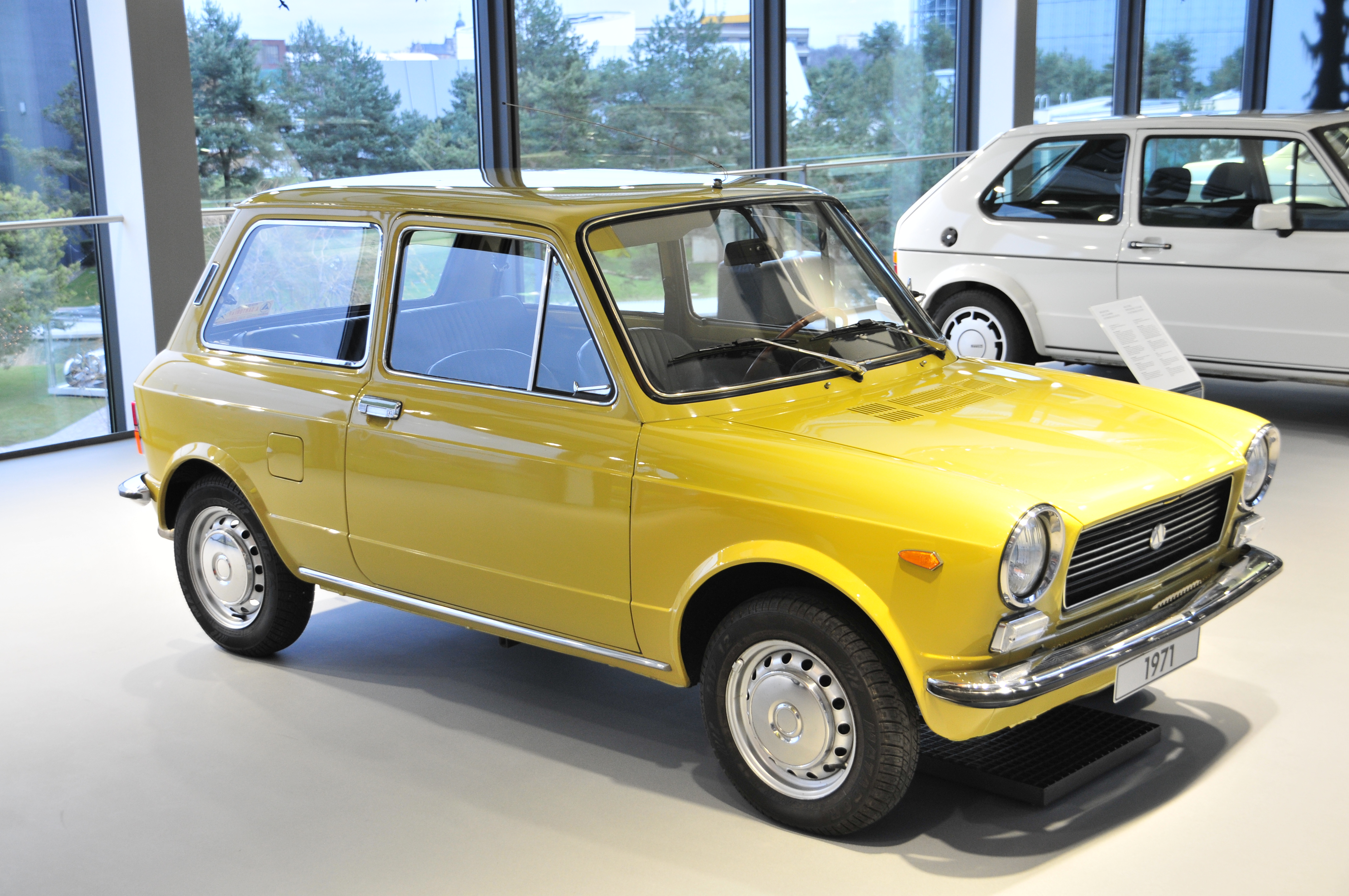
Autobianchi A112, 1969- 1982
They still do it also...


Daihatsu Bee, 1951

Honda S360-600, 1962-1964
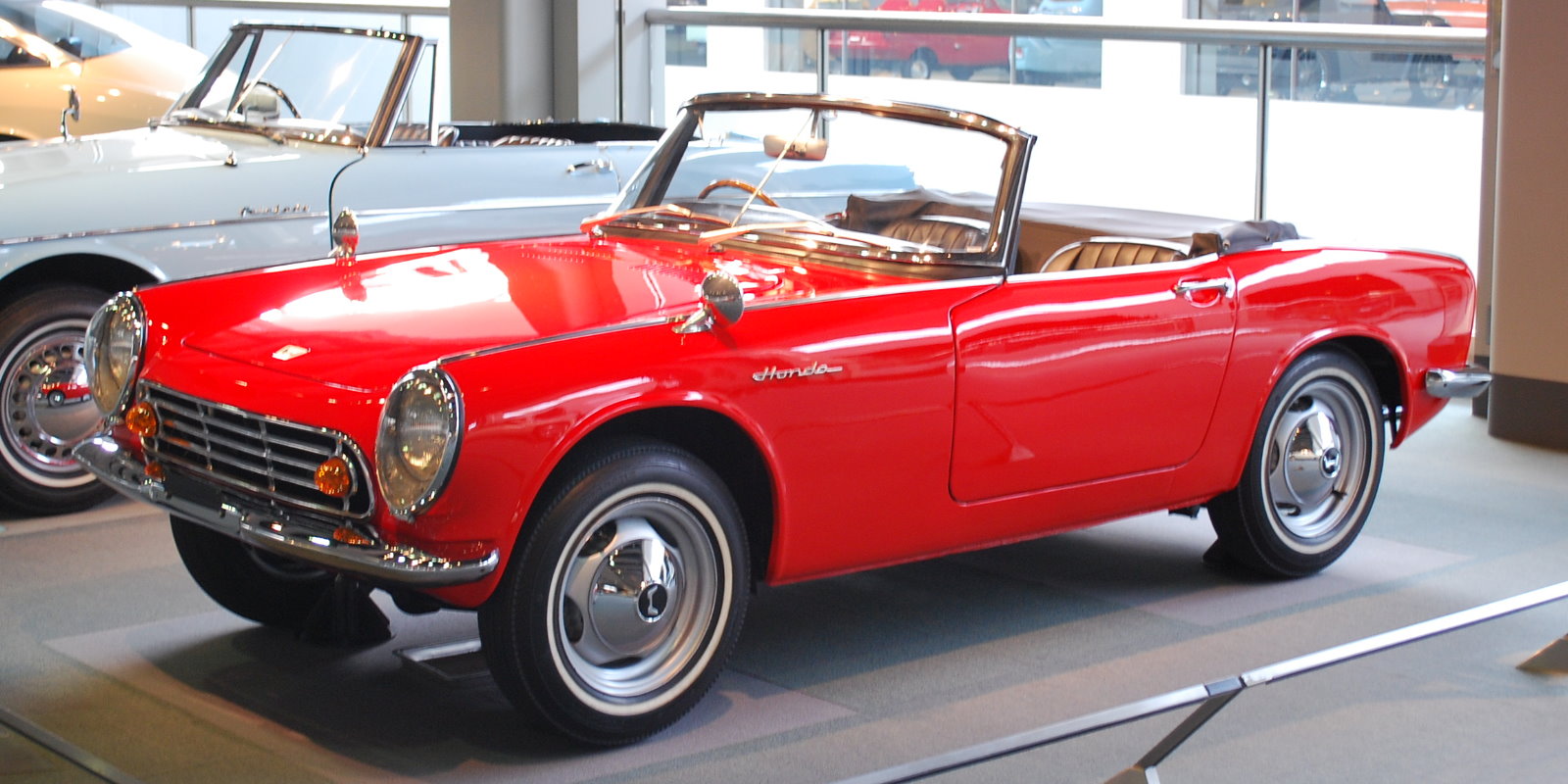
Mazda R360, 1960

Mazda Carol, 1962-1970

Subaru 360, 1958 -1971

Subaru Sambar, 1961–1966

They still do it also...

There's The Bruce Weiner Microcar Museum fro those who like those tiny vehicles.
-
Wow you've been busy with that post :)
Sent from my Nexus 7 using Tapatalk
-
@kkokkolis said:
German, Italian and Japanese MicrocarsGerman, Italian and Japanese economies had to make a giant transition from (more or less) militarism to consumerism just after the WWII. All infrastructure was totally (or almost) destroyed but we all know what eventually happened. Germany, Japan and Italy sell a lot of cars (among other things) to those that won the war and their cars are considered the best there are. But the first two decades (up to the '70 sometimes) they relied a lot on economy microcars, often made under the same names that produced fighters, bombers and armoured vehicles throughout the war.
There's The Bruce Weiner Microcar Museum fro those who like those tiny vehicles.
Love the Daihatsu Bee, who ever thought having a single front-wheel is a good idea ::).
Oh and from the museum web-page:

Any idea what that tiny monster is? -
Never mind, its a BMW Isetta Drag Racer:


-
Volkswagen Karmann Ghia
The Volkswagen Karmann Ghia is a sports car marketed in both 2+2 coupe (1955–1974) and convertible (1957–1974) body styles by Volkswagen. The Karmann Ghia combined the chassis and mechanicals of the Type 1 (Beetle) with styling by Luigi Segre of the Italian carrozzeria Ghia and hand-built bodywork by the German coach-builder Karmann.
The Karmann Ghia was internally designated the Type 14.
It became the car most imported into the U.S.
American industrial designer Walter Dorwin Teague included the Type 14 in his list of the world's most beautifully designed products.

-
My uncle had a Karmann Ghia that he restored, at the time he was working as a parts salesman for Volkswagen (about 15 years ago...) unfortunately I believe they sold it :(
-
That BMW Isetta Drag Racer is insane!
 :D
-
Lloyd
Lloyd as a marque name only entered mass-production of cars and light trucks in 1950.
The very first cars (the Lloyd 300) were <u>wood and fabric bodied</u>. Steel bodied construction took over gradually between 1953 and 1954 (Lloyd 400).
Overall, the vehicles matched the need for small and cheap cars which were a characteristic of post-war Germany, and they provided a comparatively high standard in comfort and reliability. They rose to third place in the annual licensing statistics for several years in the 1950s, behind only Volkswagen and Opel.
In spite of this success, there was little prestige to be gained by driving a Lloyd. In the vernacular, the Lloyd 300 was called "Leukoplastbomber" due to the owners' habit of repairing nicks in the fabric of the body with sticking plaster called LEUKOPLAST. A contemporary derisive verse went "Wer den Tod nicht scheut, fährt Lloyd" ("He who is not afraid of death, drives a Lloyd").
:D
Lloyd 300 front

Lloyd 300
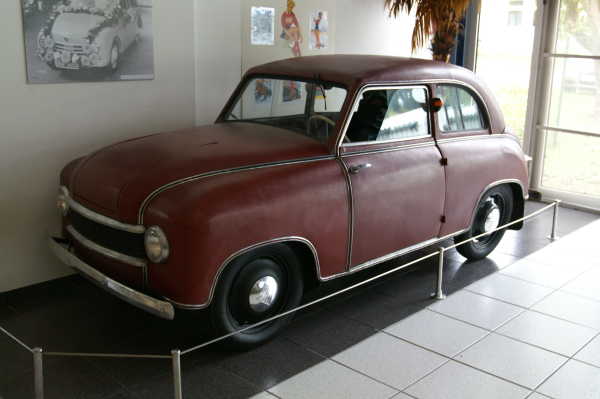
Lloyd LT600

-
Hispano-Suiza
Hispano-Suiza (literally: "Spanish-Swiss") was a Spanish automotive and engineering firm, best known for its luxury cars and aviation engines in the pre-World War II period of the twentieth century.
In 1923 its French subsidiary became a semi-autonomous partnership with the parent company. In 1968, the French arm was taken over by the aerospace company Snecma, now a part of the French SAFRAN Group. The Spanish parent sold all its automotive assets to Enasa in 1946.
Hispano-Suiza J12

Hispano 1936 Pourtout

1938 Hispano-Suiza H6C Saoutchik Xenia Coupe


-




Hello! It looks like you're interested in this conversation, but you don't have an account yet.
Getting fed up of having to scroll through the same posts each visit? When you register for an account, you'll always come back to exactly where you were before, and choose to be notified of new replies (either via email, or push notification). You'll also be able to save bookmarks and upvote posts to show your appreciation to other community members.
With your input, this post could be even better 💗
Register Login


