- You are here:
-
Home

-
Knife Reviews
- Kansept

-
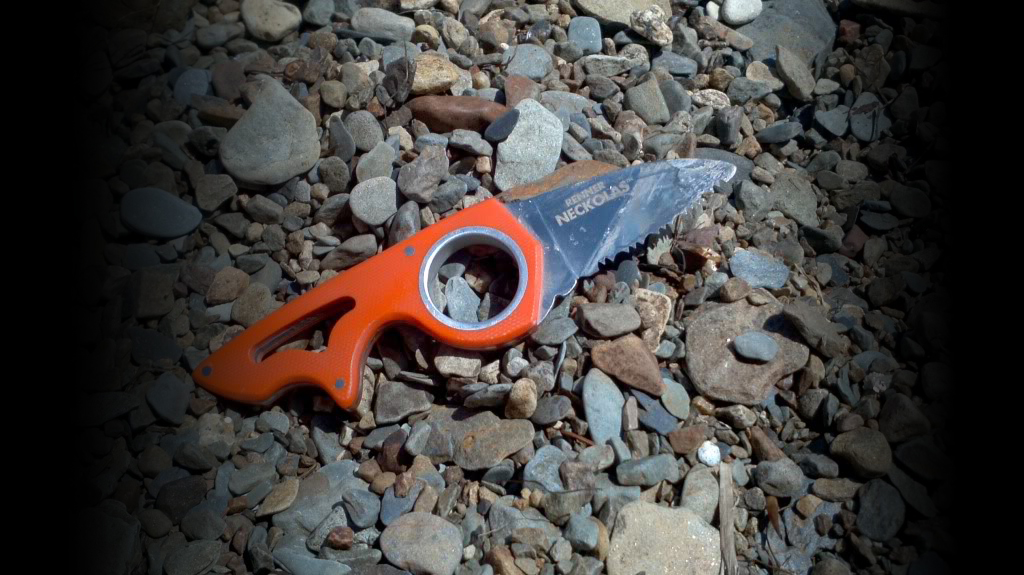
Welcome to Multitool.org
The place for reviews & discussion on Multi Tools, Swiss Army Knives, Outdoor Gear, EDC and more for over TEN years. -
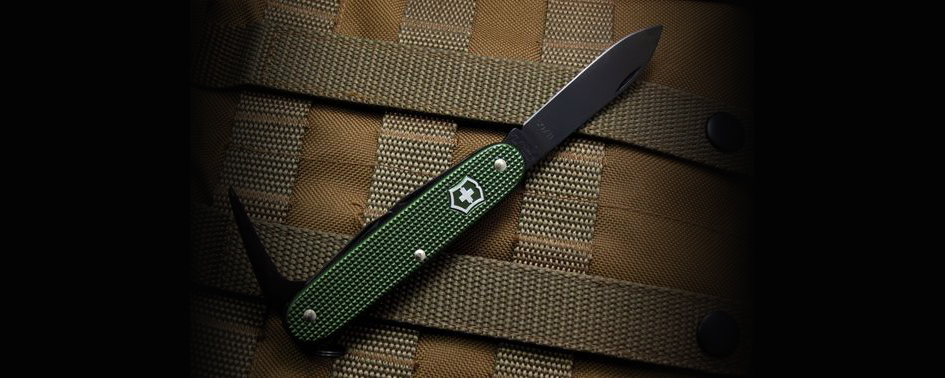
Are you into Swiss Army Knives?
Learn & discuss tools from both Swiss Army manufacturers: Victorinox & Wenger! Read More -
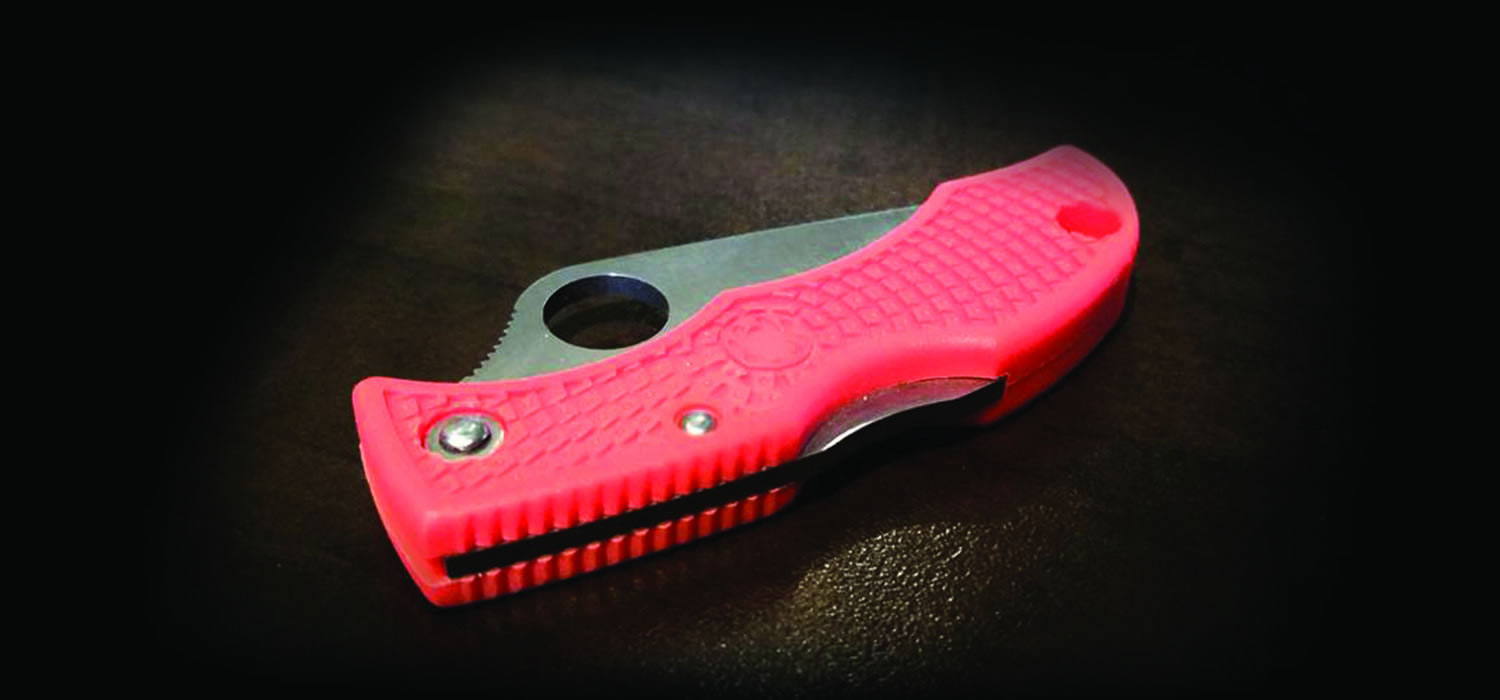
Good things can come in small packages.
What do you EDC? Read More
- 1
- 2
- 3
Olive Knives is still a newer name, but they’ve come into the space with a very clear direction. Everything they build revolves around that “Carry One” mindset. One knife that actually gets used, holds up over time, and doesn’t get rotated out every few months. It’s less about chasing trends and more about building something dependable that earns its place.
The Venari fits right into that idea, just in a compact fixed blade format.
Designing knives is a form of artistry. To me, knives are a reflection of man. They’re utilitarian, but also something to admire. And it’s a special thing when those two sides come together, when a design is just as functional as it is good looking. The Olive Knives Venari is a great example of that. It doesn’t scream for attention, but it’s something you end up appreciating the more you look at it and the more you use it.
![ResizedImage 2026 04 12 10 24 33 7244[4]](/cache/klixok2watermark/c10f2e963482ea9c000a5d54c393efb3.jpg)
Published in
Knives
Tagged under
We haven’t covered many slipjoint knives here on Multitool.org, and that’s something I’d like to change. There’s a lot of great slipjoint makers out there right now, and I’m not talking about the usual names like Case or Victorinox. I’m talking about companies pushing the “modern traditional” space with tighter tolerances, premium materials, and updated designs.
A great example of that is GiantMouse. Founded by Jesper Voxnaes and Jens Ansø, two designers with a long track record in the knife world, they’ve consistently put out designs that balance clean aesthetics with real usability. Slipjoints aren’t new territory for them either, and that experience shows.
![ResizedImage 2026 04 16 17 31 28 2654[2]](/cache/klixok2watermark/48e88ed4639d89e788e8ee0cda8e2d0a.jpg)
Published in
Knives
Tagged under
Coming off the Truffles, Aurora Knife and Tool didn’t just move on to another typical design. They stepped back and looked at what people are actually carrying and using day to day. Instead of starting with a sketch, they pulled silhouettes from a wide range of knives across major brands and overlaid them to see what patterns naturally emerged. What stood out was how consistent those shapes were. No matter the category or price point, there’s a certain profile people keep coming back to, whether they realize it or not.
![ResizedImage 2026 03 27 12 54 13 7911[1]](/cache/klixok2watermark/abdd0827177f504cc0d68ccac0709fb2.jpg)
Olive Knives is a newer name, but they came into the scene with a very clear identity. Everything about the brand centers around longevity, resilience, and actually using your knife instead of letting it sit in a drawer. Their whole “Outplay, Outlast, Outlive” mindset isn’t just marketing fluff. It shows in how they approach design, materials, and what they expect their knives to do over time.
They’re basically asking a simple question. If you could carry just one knife and actually use it every day, what would that look like?
![ResizedImage 2026 04 04 16 11 14 3746[9]](/cache/klixok2watermark/8f5f632b3f4bb52c19ad233957d13994.jpg)
I absolutely love the Tipper because it’s not only a great-looking knife, but a heck of a performer too. After spending time with the premium Kansept version, I really wanted to check out this more budget-friendly offering from Tenable and see where the differences show up. Would it still deliver the same experience, or would it feel like something was missing? Let’s take a deep dive into the Tenable Tipper.
![ResizedImage 2026 04 03 13 37 30 3481[1]](/cache/klixok2watermark/5672e2750f89312f9507efe9f2cb2baf.jpg)
The Heron was designed by Johan Jordaan with a clear purpose in mind: create a knife that feels just as at home outdoors as it does in everyday carry. Drawing inspiration from time spent fishing, the design leans into practical utility without sacrificing style. It’s meant to be reliable, easy to use, and versatile enough to handle anything from light camp tasks to general cutting duties.
There’s also a nice bit of personality baked into the design. If you take a second to look at an actual heron, the resemblance is hard to ignore. The blade profile and that subtle handle curve really do echo the shape of the bird’s head, which is a cool touch that doesn’t feel forced.
![ResizedImage 2026 03 23 19 47 58 3090[1]](/cache/klixok2watermark/3c5787bceb8f97f6e718e7e0ed1fc7a6.jpg)
The original Marten was introduced in December of 2024 and quickly built a reputation as a compact everyday carry option. It featured a 2.98-inch blade made from 154CM steel, aluminum handles, and Vosteed’s Top Liner Lock. Unfortunately, I never had the chance to handle that first version myself. Vosteed knives tend to disappear quickly once they hit the market.
That’s largely because of how the company handles production. Rather than pumping out massive quantities of one model, Vosteed releases knives in batches so they can keep moving forward with new designs. The downside is that if you hesitate too long, they’re gone. The upside is that popular models often come back around later, sometimes with improvements.
![ResizedImage 2026 03 16 20 59 14 1493[9]](/cache/klixok2watermark/f30e5b64323361f20bd56f347d8cefdb.jpg)
The knife industry as a whole feels like it’s riding the same bus these days. Titanium handles, modern steels like MagnaCut, clean machining, and minor variations in size or styling. None of it is bad, but a lot of it feels safe, predictable, and frankly a little bland. I’ve found myself getting bored, not because knives have gotten worse, but because so many of them feel interchangeable. That boredom pushed me to start looking for companies doing something genuinely different, not just cosmetically, but at a material and engineering level. That search is what led me to Terrain 365.
![ResizedImage 2026 02 21 11 08 43 4339[9]](/cache/klixok2watermark/2a93270193049694a36d099ddd090fc0.jpg)
Published in
Knives
Tagged under
When it comes to flashlights, the market feels almost as wild as the knife industry. You have companies that stick to familiar designs because they know what works, and then there are those that push the envelope trying to stand out from the crowd. Those are the brands that experiment with unusual shapes or pack in features that might make you raise an eyebrow at first glance.
I recently had the pleasure of talking with a company called Godyga. I am always fascinated by the naming of companies and products coming out of the east. I never quite know if something is lost in translation or if someone just mashed a keyboard until a name appeared. Names aside, the products themselves are interesting, and today we are taking a look at their TorchEye X1.
![ResizedImage 2026 03 16 12 06 54 1426[2]](/cache/klixok2watermark/8392a143c4d7dff97999d40495ac5734.jpg)
Published in
Flashlights
Tagged under
GiantMouse has always talked about lines. Not just lines on a blade or handle, but the way a knife flows visually and in the hand. Ansø and Voxnaes design with intention, and most of their knives share a familiar rhythm that makes them instantly recognizable.
The Nazca breaks that rhythm on purpose.

Published in
Knives
Tagged under
More...
Making sure you have the right gear for any outing or situation can be a daunting task. One item I consistently find a need for is good illumination. It doesn’t matter if it’s broad daylight or you’re broken down in the desert with a car full of groceries. Any light is better than none, but having the right light makes those situations a lot easier. I gravitate toward lights that are comfortable in the pocket while still packing a reasonable amount of power. Some days a light lives in my pocket, other days it gets tossed into a glove box, so weight is always a concern. I don’t want an anchor that’s annoying to carry or awkward to actuate.

Published in
Flashlights
Revisiting the Kansept Loki makes sense now that Kansept finally addressed the biggest issue people had with it. They didn’t overhaul the design or rethink the whole package. They focused on the problem that held the original back: the opening method. Sometimes that’s all a knife needs to get a second chance. When a design already has a lot going for it, fixing the weak link can be enough to bring it back into rotation and make people pay attention again.
Coming back to the Loki feels less like a quick update and more like spending proper time with a design that invites a closer look. It’s a compact modern folder with a strong personality and, after carrying it again, it became clear that this knife either clicks as a whole or it doesn’t. There’s no middle ground because every detail matters here.

Behind the Pretatout is Jonathan, a designer who spent years working with K-9 units in the French army before turning his attention to knives. Rather than coming from a traditional knife-making background, his designs are rooted in real-world use, where reliability, strength, and ergonomics are not marketing buzzwords but daily requirements. That mindset led to the creation of Kmaxrom Design, with a clear philosophy centered on tools that feel powerful, durable, and comfortable in hand. Fittingly, the name Pretatout translates to “ready for everything,” and as Kmaxrom’s first flipper, it blends modern deployment with classic thumb studs, aiming to be a capable, no-nonsense EDC with a bit of flair.
Kansept has been producing absolute bangers lately, one fantastic release after another. I decided to reach back into the company’s catalog and try one of their older designs to see how it compares. The brand has been doing a lot in terms of tolerances and materials, and I wanted to see how a knife from when the company was still relatively young stacks up against the flood of models coming out today.

EDC, or everyday carry, has become a bit of a buzzword lately, and I get why it can feel confusing. At its core, it’s simply the items you carry with you every day. That can be as basic as a wallet and keys, or it can include things like a pocket knife, flashlight, or multitool. Somewhere along the way, EDC turned into rotating collections and themed loadouts, which kind of takes away from the original idea. Still, I’ve noticed things other people carry that genuinely make sense, and a pen is one of them.

Interested in this or a different tool and still have more questions?
Why not join us over on the Multitool.org Forum where our community can help you find what you're looking for!
Join the discussion now!
Why not join us over on the Multitool.org Forum where our community can help you find what you're looking for!
Join the discussion now!
What kind of people would write collect and review multitools? Quite simple really- we are designers and do-ers, outdoors types and indoor types, mechanics, doctors, problem solvers and problem makers. As such, we have, as a world spanning community, put every type, size and version of multitool, multifunction knife, pocket knife and all related products to every test we could manage in as many places and environments as there are.